Digital Marketing Consultant in Madurai Delivering 3x–6x Business Growth.
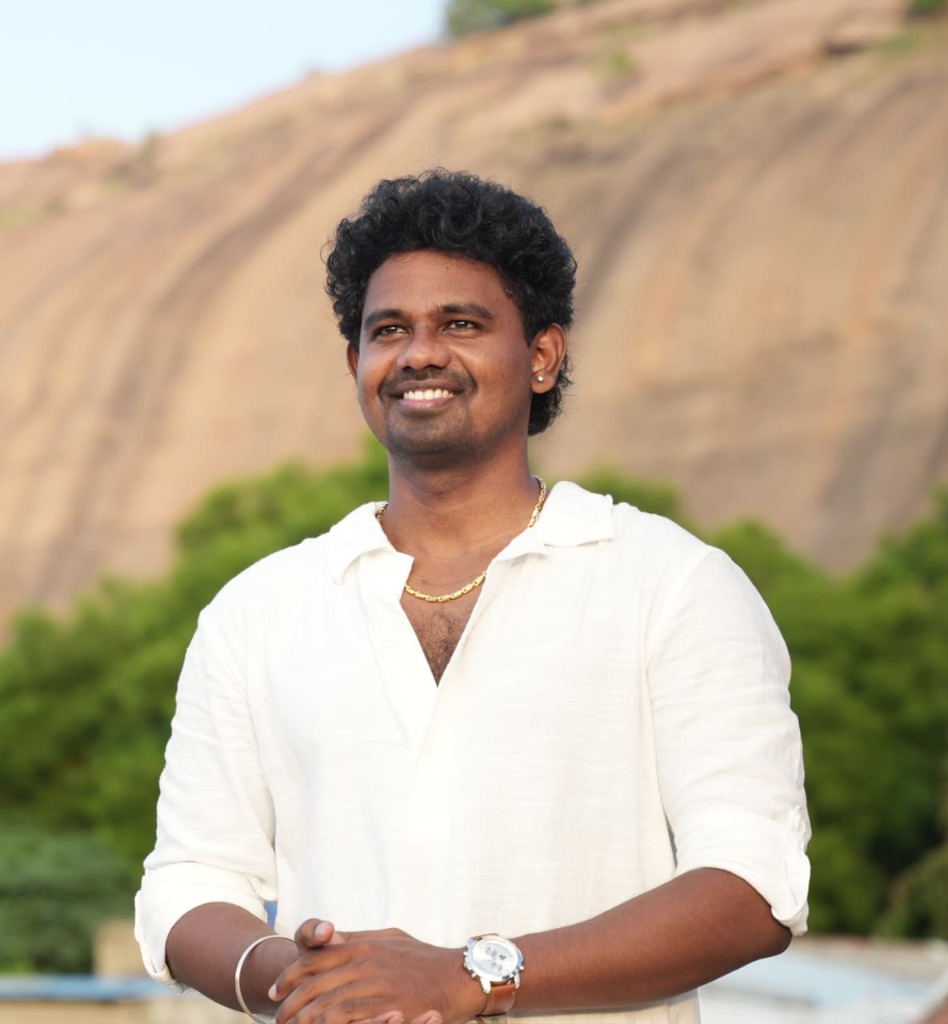
I'm Deepanraj, a digital marketing consultant with 5+ years of experience scaling local businesses, healthcare providers, real estate, manufacturers, and e-commerce brands in Madurai with high-intent SEO, precision Google Ads, high-ROAS Meta Ads, and next-generation AEO & GEO.
5+ Yrs
Experience
120+
Campaigns
₹10M+
Ad Spend Managed
98%
Client Retention
Full-Funnel Digital Marketing Solutions in Madurai
From getting your business to rank #1 on Google Maps to unlocking revenue from AI search engines, every strategy is customized for maximum return on investment.
SEO Expert in Madurai
Dominate local search results, Google Maps 3-pack, and high-buyer-intent keywords across Madurai and Tamil Nadu with white-hat technical, on-page, and authority SEO.
- Local Google Business Profile (GBP) Domination
- Keyword Research & Competitive Gap Analysis
- High-Authority Link Building & Technical Fixes
Google Ads Expert in Madurai
Capture immediate customer demand when buyers search for your products or services. Certified Google Ads management that reduces cost-per-lead and maximizes sales.
- High-Intent Search & Performance Max (PMax)
- Granular Negative Keyword Lists (No Wasted Ad Spend)
- Conversion Tracking & Server-Side Tagging
Meta Ads Expert in Madurai
Scale direct-to-consumer sales and qualified local leads on Facebook & Instagram with scroll-stopping creatives, Tamil & English ad copy, and multi-tier retargeting.
- Hyper-targeted Madurai & Regional Demographics
- Creative Testing & High-Converting Video Angles
- Instant WhatsApp & Instant Lead Form Funnels
LinkedIn Expert in Madurai
Connect directly with CEOs, Founders, and Procurement heads. Transform LinkedIn into an enterprise client acquisition channel for manufacturers, IT, and consultants.
- Account-Based Marketing (ABM) Campaigns
- Executive & Founder Personal Branding
- High-Ticket Lead Pipelines & InMail Systems
AEO Expert in Madurai
Get recommended when customers ask questions on ChatGPT, Perplexity AI, Claude, and Google AI Overviews. Position your brand as the single authoritative answer.
- Conversational Query Structuring & Direct Answers
- Google AI Overview (AIO) Trigger Optimization
- Schema.org Entity Graph & Citation Architecture
GEO Expert in Madurai
Generative Engine Optimization ensures Large Language Models cite, synthesize, and recommend your business above all competitors when synthesizing brand comparisons.
- LLM Citation Building & Digital PR Placement
- Knowledge Graph Ingestion & Entity Disambiguation
- Multi-modal AI Search Visibility Strategy
Why Madurai Businesses Choose Deepanraj Over Agencies
Stop paying large retainers to agencies that deliver meaningless vanity clicks. Here is how my direct partnership creates real bottom-line revenue.
| Growth Feature | Traditional Agency | Deepanraj (Direct Expert) |
|---|---|---|
| Primary Account Lead | Junior Account Executive / Intern | Deepanraj (5+ Years Experience) |
| Strategic Focus | Impressions & Vanity Clicks | Direct Revenue, Bookings & Measurable ROAS |
| AI Search Readiness (AEO & GEO) | Outdated 2018 keyword stuffing | Cutting-edge ChatGPT & Perplexity LLM optimization |
| Madurai Market Context | Generic outsourced metro team | Deep rooted in Madurai business demographics |
| Communication & Speed | Slow ticketing system (3-5 days response) | Direct WhatsApp & Mobile hotline access |
Real Case Studies From Madurai & Beyond
Transparent campaign breakdowns showing exact metrics, challenges solved, and tangible business revenue achieved.
Scaling Patient Inquiries by 380% via Local Map Pack & Google Ads
Re-architected the clinic's Google Business Profile, integrated localized clinical schema, and launched intent-matched emergency dental search campaigns across Madurai.
₹4.2 Crores in Luxury Villa Bookings with Meta & Search Ads
Executed hyper-targeted Meta video ad funnels targeting NRI families from Madurai and Chennai investors, coupled with high-intent Google Search campaigns.
The 5-Phase Revenue Generation Blueprint
How we take your business from inconsistent inquiries to predictable, scalable customer generation.
360° Market Audit
In-depth analysis of your current SEO health, competitors in Madurai, conversion bottlenecks, and customer search intent.
Funnel Architecture
Crafting high-converting landing pages, WhatsApp routing, server-side tracking, and compelling value propositions.
Multi-Channel Ignition
Launching Google Ads, Meta Ads, and Local SEO content to rapidly flood your pipeline with pre-qualified buyers.
AI & Continuous Scale
Injecting AEO & GEO schema, scaling ad budgets profitably, and expanding into LinkedIn or regional audiences.
Frequently Asked Questions
Everything you need to know about working with Deepanraj in Madurai.
Let's Discuss Your Business Growth in Madurai
Ready to scale your inquiries, sales, and online dominance? Reach out directly to Deepanraj.
Office Location
16, Bavan Samadhani Manzil, Aaraa Villas, Meenakshi Amman Nagar, 10th Street, Near Arun Hitech City, Surya Nagar, Madurai – 625007.
Phone / WhatsApp
+91 9486451346Availability
Open 24 Hours (Available Anytime)
Claim Your Free Growth Audit
Fill out this quick form, and Deepanraj will review your current marketing and send a personalized roadmap.